How to Develop Sustainable Skincare Products 10 Tips

Time:2026-09-25 Author:Oliver
0%

Developing sustainable skincare products is not just a matter of choosing a recycled jar or adding a botanical extract. It means considering a product’s full journey, from ingredient sourcing and manufacturing to packaging, shipping, and disposal. A moisturizer, for example, may use responsibly sourced oils yet arrive in a difficult-to-recycle pump bottle. Details like these matter.

Good decisions start with evidence. Review supplier documentation, check ingredient origins, and ask manufacturers about energy, water, and waste practices. Test packaging for leaks and stability under realistic storage conditions. Keep clear product records, and make environmental claims specific enough for customers to understand. Small steps help. Still, no product is impact-free, and sustainability standards can be difficult to compare. That deserves honest attention.

This guide to how to develop sustainable skincare products shares ten practical tips for building more thoughtful formulas and packaging. It covers ingredient selection, product performance, manufacturing choices, and clear communication. The aim is not to make every brand follow one perfect formula; skin needs, budgets, and supply chains differ. Instead, use reliable information, test assumptions, and track improvements over time. A first version may fall short. That is a reason to revise it, not to hide the trade-offs.
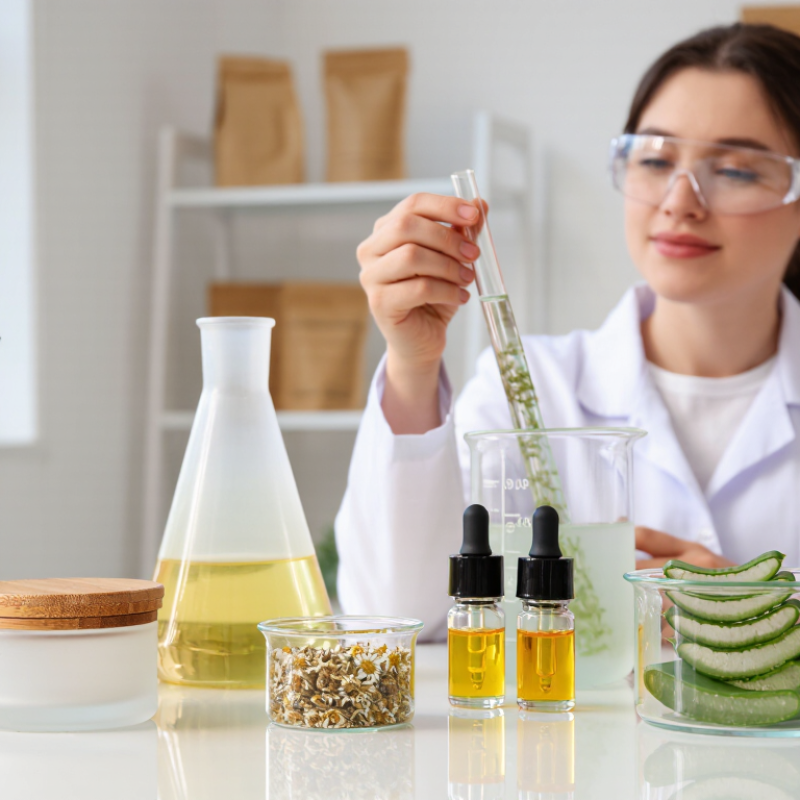
How to Develop Sustainable Skincare Products 10 Tips

Define Sustainability Goals and Product Requirements

Sustainability goals work best when they describe measurable changes, not broad intentions. Start by mapping a product’s main impacts: ingredient sourcing, manufacturing energy, water use, packaging, and disposal. Then set a baseline for one defined product and package size. For example, track packaging mass per 50-milliliter jar or water used per production batch. Choose a target, a deadline, and a method for checking progress. Keep the figures grounded in supplier records or documented estimates; precise-looking numbers are not useful if their assumptions are unclear.

Translate each goal into product requirements. If reducing packaging is a priority, specify a maximum package weight and confirm that the container protects the formula during transport and use. If you want more renewable or responsibly sourced ingredients, define acceptable documentation and assess availability before finalizing the formula. Performance matters too: test stability, texture, and ease of dispensing under realistic storage conditions. A greener design that spoils quickly may create more waste.

Some trade-offs will remain. A lighter container may be harder to recycle locally, while a plant-derived ingredient may need more land or water than expected. That deserves a second look. Record the reasoning behind choices, including gaps in supplier data, and revisit requirements when better evidence becomes available. A practical goal should guide decisions without pretending every impact can be solved at once.

Select Responsible Ingredients and Traceable Suppliers

Choosing responsible ingredients means looking beyond a supplier’s sustainability claim. Ask where each material is grown, how it is processed, and what evidence supports its origin. For plant oils, request the crop region, harvest period, and chain-of-custody records. For minerals or lab-made ingredients, ask about energy use, processing aids, and waste controls.

Paper trails matter. Keep certificates, specifications, and batch records together, then check that documents match the ingredient delivered. If a supplier cannot explain a detail, record the gap instead of filling it with assumptions.

A traceable supplier should identify intermediaries and provide consistent lot-level records, not just a polished questionnaire. Request recent testing for identity, purity, and relevant contaminants, and confirm who performs each test. A site visit can reveal practical details: segregated storage, labeled drums, and staff who can explain handling steps.

Not every small supplier can offer a perfect data package. That is worth acknowledging. Set realistic improvement milestones, but avoid calling an ingredient sustainable until its sourcing and impacts are documented. Compare alternatives carefully; replacing one material may shift pressure to land, water, or energy elsewhere. Real supply chains are rarely neat. Keep asking questions.

Design Formulas for Safety, Efficacy, and Lower Impact

Sustainable skincare begins with a formula that performs safely at the intended dose. Choose ingredients for a clear purpose, then assess irritation risk, stability, and compatibility in the finished product. Preservation matters. Water-rich formulas need effective preservation, verified through suitable testing, not assumptions based on “natural” ingredients. Use only as much fragrance, color, or complexity as the product needs. Then check performance under realistic conditions: a cream should remain uniform after heat exposure, while a cleanser should rinse clean without excessive scrubbing. A formula can feel elegant and still fail its basic job.

Lower impact also depends on sourcing, manufacturing, and packaging choices. The OECD’s Global Plastics Outlook estimates plastics generated 1.8 billion tonnes of greenhouse-gas emissions in 2019, about 3.4% of global emissions. This figure covers plastics broadly, not skincare packaging alone. UNEP’s 2023 report says existing solutions could reduce global plastic pollution by 80% by 2040. That is a global scenario, not a skincare forecast, but it supports designing out unnecessary material. Consider lightweight, recyclable packaging where local systems can handle it, and measure actual refill return rates. A refill is not automatically better; extra transport or poor reuse can erase gains. Even careful choices involve trade-offs, so document the assumptions and revisit them when real product data arrives.

How to Develop Sustainable Skincare Products: 10 Tips

Design formulas and packaging with safety, efficacy, and lower impact in mind.

Global plastic waste treatment, 2019 — Most plastic waste was landfilled or mismanaged. For skincare packaging, this highlights the value of using less material and choosing packaging designed for local collection and recycling. These figures cover all plastic waste, not skincare packaging specifically.

Source: OECD, Global Plastics Outlook (2022).

Choose Packaging That Reduces Waste and Supports Recycling

Packaging is part of the product, not an afterthought. In the OECD’s 2022 Global Plastics Outlook, packaging represented about 40% of plastic waste. Only 9% of plastic waste was ultimately recycled worldwide in 2019. Those figures make material choices worth examining closely.

Start with a package that uses fewer materials. A single-material bottle and cap are often easier to sort than a mix of plastic, metal, and glued-on parts. Check whether local recycling facilities accept the chosen material; a recycling symbol alone does not guarantee it will be processed. Keep labels small and easy to remove, and avoid dark pigments that sorting equipment may miss. Small details matter.

Refill formats can reduce packaging, but only when customers reuse the original container and the refill itself uses less material. Compare the full package, including pumps, seals, and shipping protection. A heavier glass jar may feel durable, yet its weight can increase transport impacts. There is no perfect option. Test package durability, ask recyclers about local requirements, and revise designs when real-world collection falls short.

Test the Product and Measure Its Environmental Footprint

Before calling a skincare product sustainable, test it under real conditions. Prepare several small batches and record the water, energy, raw materials, and packaging used for each one. Weigh the finished product and any discarded material. Small losses add up. Keep the formula, equipment, and batch size consistent so results can be compared fairly. Our first spreadsheet may look tidy, but missing supplier data can make its footprint incomplete.

Tips: Track one test batch from ingredient delivery to disposal. Note refrigeration, cleaning water, and rejected units. Compare packaging by weight and recyclability, not appearance alone. Repeat measurements; a single trial can mislead.

Measure environmental impact across the product’s life, including how much water people use when rinsing it away. A stable formula that needs less frequent replacement may reduce waste, but verify this with shelf-life and use testing. Ask suppliers for documented material and production data, and label estimates clearly. Avoid turning uncertain numbers into confident claims. We may discover that one improvement shifts the burden elsewhere, such as lighter packaging that protects the product less effectively. That is worth examining. Record the trade-off, revise the design, and test again before making public environmental statements.

FAQS

How should a sustainability goal be measured?

Track a defined product and package size, such as packaging mass per 50-milliliter jar. Set a baseline, target, deadline, and checking method. Estimates need clear assumptions.

What should product requirements include?

Set limits for packaging weight and define acceptable sourcing documents. Also test stability, texture, and dispensing under realistic storage conditions. A lighter design can still fail.

How can a formula balance safety and lower impact?

Choose ingredients for clear purposes, then assess irritation risk, stability, and compatibility. Water-rich formulas need effective preservation and suitable testing. “Natural” is not proof.

Why does product performance matter for sustainability?

A cream should stay uniform after heat exposure, and a cleanser should rinse without excessive scrubbing. If a product spoils quickly, it may create more waste.

Are refills always better for the environment?

No. Compare the original container, refill packaging, seals, pumps, and shipping protection. Extra transport or low reuse can reduce the benefit.

What makes packaging easier to recycle?

A single-material bottle and cap may be easier to sort than mixed parts. Check local recycling rules; a recycling symbol alone is not enough. Small details matter.

What packaging details deserve a closer look?

Keep labels small and removable, and avoid dark pigments that sorting equipment may miss. Test durability, too. We may overlook the pump.

How should teams handle trade-offs and uncertain data?

Record supplier-data gaps and the reasoning behind choices. Revisit decisions when better evidence arrives. There is no perfect option.

Conclusion

Developing sustainable skincare products begins with clear goals and practical requirements, such as reducing waste, choosing renewable or responsibly sourced materials, and meeting users’ needs for safety and performance. These goals guide decisions throughout product development. Selecting ingredients from traceable suppliers helps support responsible sourcing, while thoughtful formula design can balance efficacy, skin compatibility, and a lower environmental impact.

Packaging is another important part of the process. Prefer designs that use less material and can be reused or recycled where suitable, while still protecting the product. Before launch, test the formula and packaging to check quality, safety, and performance. Measuring factors such as material use, energy needs, and waste can reveal where improvements are possible. Together, these steps offer a practical approach to how to develop sustainable skincare products with care for both consumers and the environment.

Oliver

Oliver

Oliver is a seasoned marketing professional with a wealth of expertise in driving brand awareness and engagement. With a deep understanding of our company's product offerings, he consistently delivers high-quality content that enriches our professional blog. His insights not only shed light on......