Choosing skincare should feel simple, yet ingredient labels often read like tiny chemistry exams. This guide, “China Top Skincare Ingredients to Avoid?”, explores what ingredients should be avoided in skincare and why context matters. A product is not automatically harmful because its name sounds scientific. Likewise, “natural” does not guarantee comfort, safety, or suitability.
Dermatologist Dr. Anjali Mahto has stated, “Natural does not always mean safe.” This principle deserves attention. Citrus essential oils, heavy fragrance, and high concentrations of denatured alcohol may irritate sensitive skin. Strong sulfates can leave the face feeling tight after cleansing. Formaldehyde-releasing preservatives also deserve careful consideration, especially for people with contact allergies. The concern is not fear. It is informed use.
Your skin may show the evidence. A burning sensation after toner, red patches beside the nose, or persistent tightness after washing can signal irritation. However, one person’s trigger may be another person’s acceptable ingredient. Skin type, concentration, formulation, and frequency all change the outcome. Patch testing helps, although it cannot predict every reaction.
This topic also requires honesty. Ingredient lists alone do not reveal the complete user experience. Marketing claims can sound reassuring, while a beautifully packaged cream may still disappoint. I have sometimes treated “clean” labels as meaningful evidence. That was too simplistic. Reliable decisions require checking the full formula, listening to your skin, and consulting a qualified dermatologist when symptoms persist. The goal is not to reject every unfamiliar ingredient. It is to recognize avoidable irritation and choose products with clearer, evidence-based reasoning.
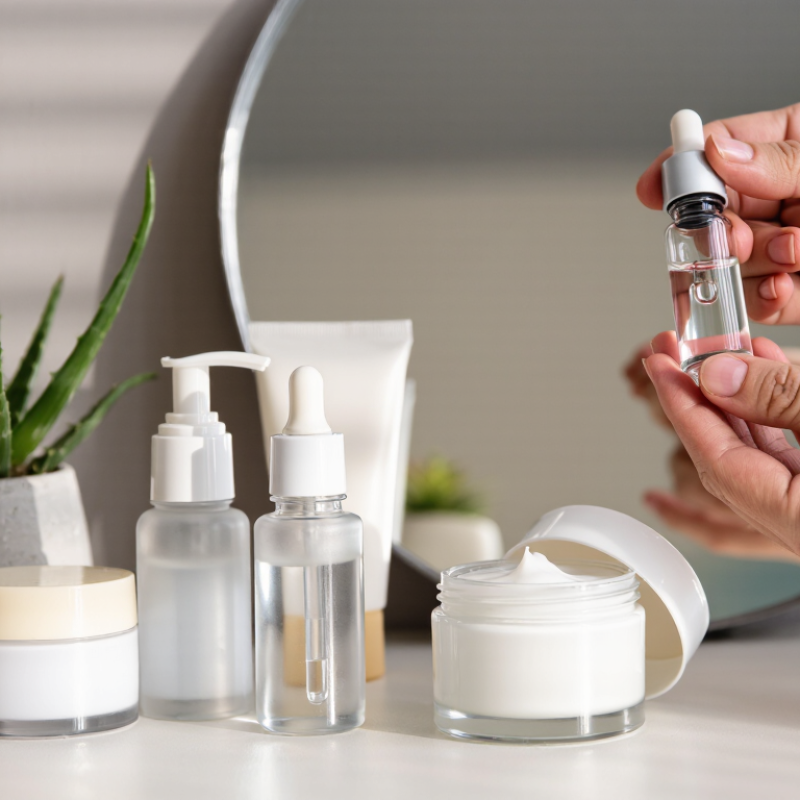
Skincare safety in China depends on more than an ingredient’s name. Concentration, product type, skin condition, and labeling all matter. A substance may be restricted rather than completely banned. China’s cosmetics rules also require safety assessments and ingredient disclosure. However, labels can still feel confusing, especially when translations differ.
Be careful with products claiming instant whitening, dramatic peeling, or overnight repair. These claims may hide undeclared strong corticosteroids, bleaching agents, or heavy-metal contamination. Irritation, unusual redness, thinning skin, and sudden sensitivity deserve attention.
Tips: Check the full ingredient list and product registration information. Avoid damaged packaging or unclear sellers. Patch-test on a small area for 24 hours. Stop using the product if burning continues. A dermatologist can assess persistent reactions more reliably than online advice. Keep photos of the label and your skin changes. Details help.
Ingredient safety is not a simple “good” or “bad” list. Fragrance, alcohol, essential oils, and exfoliating acids may trouble sensitive skin, yet remain suitable for some users. This is where personal experience can mislead us.
I once assumed a popular “natural” formula was automatically gentle, but fragrance caused dryness. That assumption needed correction. Reliable choices come from transparent labeling, moderate use, and evidence-based guidance. When a product promises medical-looking results without clear information, skepticism is sensible.
China Top Skincare Ingredients to Avoid?
Common irritation usually comes from the formula, not its country of origin. Fragrance, parfum, essential oils, limonene, and linalool may trigger burning or allergic contact dermatitis. The North American Contact Dermatitis Group’s 2019–2020 surveillance found fragrance mix I reactions in roughly one out of ten patch-tested patients. That figure concerns tested patients, not all skincare users.
Look closely at leave-on products. Denatured alcohol can sting dry or damaged skin, especially near the nose. Methylisothiazolinone and methylchloroisothiazolinone are stronger concerns for sensitive users. Their use is restricted in some leave-on cosmetics, but they may still appear in rinse-off formulas. The Cosmetic Ingredient Review evaluates ingredients individually, not every finished product. A safe assessment is never a personal guarantee.
Exfoliating acids and retinoids deserve caution, too. Glycolic acid, salicylic acid, and retinol can cause redness when combined or used too often. Start slowly. I would not label every alcohol or preservative harmful; concentration and skin condition matter. Patch-test a small area for several days, while avoiding broken skin. A quick test helps, but it cannot predict every reaction. Check the full ingredient list, especially when the skin feels hot, tight, or unusually itchy.
Common irritating ingredients found in skincare products are not exclusive to any country or brand. The chart shows an evidence-informed concern rating from 0 to 5, based on the likelihood of irritation or allergic contact dermatitis in sensitive users.
Higher scores indicate greater documented concern, not a guaranteed reaction or a population prevalence rate. People with eczema, rosacea, fragrance allergy, or a damaged skin barrier may need to be especially cautious.
Sources: DermNet NZ on fragrance allergy, methylisothiazolinone, formaldehyde allergy, sodium lauryl sulfate, and alcohol-containing cosmetics.
Sensitive or allergy-prone skin needs a slower, more careful routine. Fragrance is a common concern, especially when “parfum” hides many aromatic compounds. Essential oils can also trigger redness, itching, or burning, even when they sound natural. Natural does not always mean gentle.
Watch for methylisothiazolinone and methylchloroisothiazolinone, particularly in products used daily. These preservatives may cause allergic contact dermatitis in some people. Formaldehyde-releasing preservatives can also trouble reactive skin. Denatured alcohol may sting, although its effect depends on concentration and the rest of the formula. Strong acids, retinoids, and high-percentage vitamin C can worsen an already damaged skin barrier.
Read the full ingredient list.
Patch testing is practical, not excessive. Apply a small amount behind the ear or on the inner arm for several days. Do not test multiple new products together. That mistake makes reactions difficult to identify.
A dermatologist or qualified pharmacist can help interpret recurring rashes, swelling, or persistent burning.
Ingredients vary between formulas, and online “avoid lists” are sometimes too absolute. Even careful readers miss that concentration, cleansing habits, and skin condition can change the outcome. Stop using a product if symptoms become severe, and seek medical advice promptly.
“China Top Skincare Ingredients to Avoid?” is an incomplete question.
Ingredient risk depends on concentration, skin condition, and product quality. A careful label check matters more than a dramatic ingredient list.
Read the full ingredient panel, not only the front label. Look for standard ingredient names, net content, expiry information, batch details, and usage warnings. Fragrance, essential oils, drying alcohols, and strong exfoliating acids may trouble sensitive skin. They are not automatically unsafe. That distinction matters.
If the label uses vague phrases like “instant whitening” or “zero risk,” pause before buying. Product claims should match the formula and supporting evidence. “Natural” does not always mean gentle.
Check whether the product has the required registration or filing information for its category in China. The official regulatory database can help confirm basic details, especially for imported or special-use cosmetics. The responsible company and manufacturing information should also be visible and readable.
Missing translations, altered stickers, or unclear dates deserve caution. I have found that rushed label checks create the most avoidable mistakes. Patch testing is sensible, but it is not perfect protection. Stop using a product if burning, swelling, or persistent redness appears, and seek professional advice when symptoms continue.
Safer skincare in China begins with verification, not fear. Some ingredients are restricted, concentration-dependent, or unsuitable for sensitive skin. Fragrance, essential oils, strong exfoliating acids, and high alcohol levels may trigger stinging or dryness. They are not automatically dangerous. Context matters.
Check the complete ingredient list, Chinese labeling, manufacturer details, and NMPA registration or filing information. NMPA’s 2023 national cosmetics sampling report recorded a qualification rate above 99%, yet compliant products can still irritate individual users. China’s National Bureau of Statistics reported cosmetics retail sales of about 414.2 billion yuan in 2023, showing how quickly consumers face new choices. More choice is not always better.
Buy from traceable sellers and avoid products promising instant whitening or dramatic repair. Use one new product at a time. Apply a small amount behind the ear or on the inner arm for two days. Then start slowly on the face. Patch testing helps, but it is not perfect. I have seen people ignore mild burning because the packaging looked professional. That was a mistake.
Stop using a product when swelling, persistent redness, or pain appears, and seek medical advice.
Store products away from heat and sunlight, following ISO 22716 good manufacturing principles. Simpler routines are often easier to evaluate.
Usually, irritation comes from the formula, not its country of origin. Read the complete ingredient list.
Fragrance, parfum, essential oils, limonene, and linalool may cause burning, itching, or allergic reactions. Natural does not always mean gentle.
Yes, especially on dry or damaged skin. It may sting around the nose or other sensitive areas.
Methylisothiazolinone and methylchloroisothiazolinone may trigger allergic contact dermatitis in some users. Formaldehyde-releasing preservatives can also trouble reactive skin.
Yes. Glycolic acid, salicylic acid, retinol, and high-percentage vitamin C may irritate damaged skin. Start slowly.
Apply a small amount behind the ear or on the inner arm for several days. Avoid broken skin. Do not test multiple products together.
No. It can provide useful clues, but it cannot predict every reaction. Skin condition and product concentration matter.
Introducing several new products at once creates confusion. Add one product at a time. That is slower, but clearer.
Stop if burning, swelling, or itching becomes severe or persistent. Seek medical advice promptly, especially after repeated reactions.
No. They can be too absolute. I once assumed every alcohol was harmful, but the formula and skin condition changed the outcome.
Choosing skincare products in China requires more than focusing on attractive claims or popular trends. Understanding ingredient safety means considering how a formula may affect different skin types, especially sensitive or allergy-prone skin. Common concerns can include strong fragrances, drying alcohols, harsh cleansing agents, excessive exfoliating acids, and preservatives that may trigger redness, itching, dryness, or discomfort in some users. The key question is: what ingredients should be avoided in skincare? The answer depends on personal sensitivity, concentration, frequency of use, and overall product formulation.
Consumers should carefully read ingredient labels, follow usage instructions, and distinguish cosmetic claims from verified product information. Checking manufacturing details, expiration dates, storage guidance, and relevant regulatory labeling can also support safer choices. For sensitive skin, it is better to select simple formulas, introduce one new product at a time, perform a small patch test, and stop using a product if irritation develops. Professional advice may be helpful when reactions are persistent or severe.

Kushkie Beauty