Choosing skincare should begin with observation, not a crowded shopping basket. The question “how to choose skincare products for different skin types” matters because skin can be oily, dry, combination, sensitive, or temporarily unbalanced. A shiny forehead with tight cheeks tells a different story from persistent redness or rough patches. Start by noticing texture, comfort, oiliness, and reactions for several days. Wash gently, wait about 30 minutes, and observe without touching. This simple check is useful, though it is not a medical diagnosis. Skin changes with weather, hormones, stress, age, and medication. One label may never describe it perfectly.
A reliable routine usually includes a gentle cleanser, moisturizer, and broad-spectrum sunscreen. Add targeted products slowly, and change only one product at a time. Look for clear ingredient lists and claims supported by dermatological guidance, rather than impressive packaging. Dry skin may prefer fragrance-free creams with glycerin or ceramides. Oily skin often benefits from lightweight, non-comedogenic textures. Sensitive skin needs fewer ingredients and careful patch testing. Combination skin may require different textures on different areas. However, “natural” does not automatically mean gentle, and expensive does not guarantee better results. Stop using a product if burning, swelling, or worsening irritation appears. Seek a qualified dermatologist for persistent symptoms.
Good skincare is personal. This guide will compare textures, active ingredients, and usage habits with real skin needs. It will also question common assumptions, because careful routines can still fail when products are used too often. Results require patience. Irritation is not proof that a product works. The goal is not perfection, but a practical routine that feels comfortable and remains easy to follow.
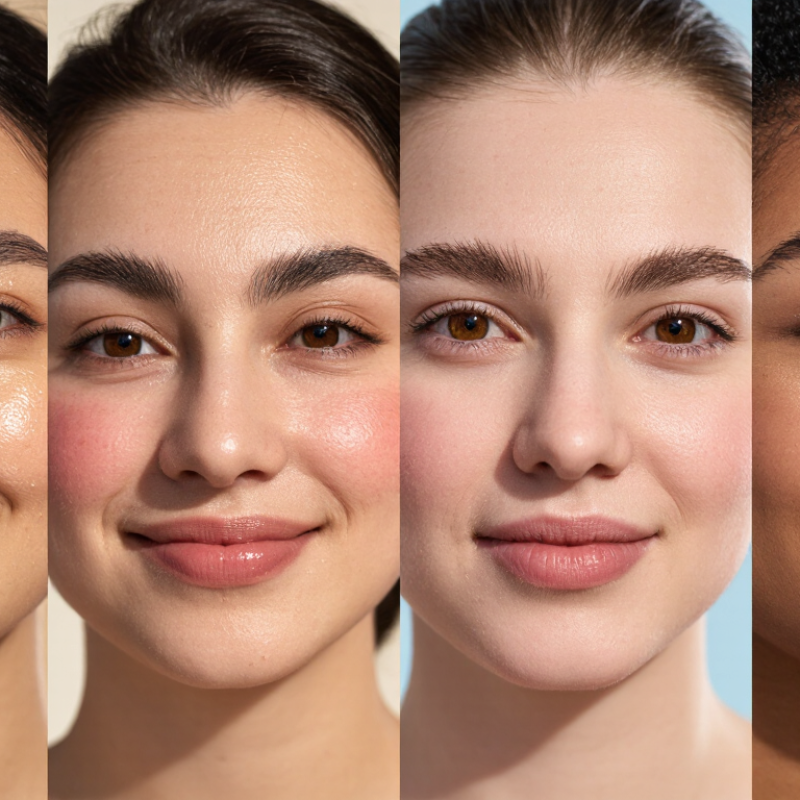
Skin type describes how much oil, water, and sensitivity your skin usually shows. It is not a permanent label. Oily skin often appears shiny, especially around the nose and forehead. Dry skin may feel tight, rough, or flaky after cleansing. Combination skin can show both patterns at once. Sensitive skin may sting, redden, or react quickly to new ingredients.
These characteristics should guide product choices. Oily skin often benefits from lightweight, non-comedogenic textures and gentle cleansing. Dry skin usually needs richer moisturizers containing humectants, emollients, or occlusive ingredients. Combination skin may need different textures on different areas. Sensitive skin requires a shorter ingredient list and careful fragrance avoidance. Patch testing matters. Apply a small amount near the jawline and observe for 24 hours.
Skin changes with weather, stress, hormones, medication, and age. A product that felt comfortable in winter may feel heavy in humid weather. I once assumed persistent shine meant oily skin, but dehydration was also contributing. That mistake taught me to assess comfort, tightness, and flaking together. Product labels cannot diagnose conditions. Persistent burning, swelling, severe acne, or eczema-like changes deserve professional medical advice. Keep it simple. Adjust slowly.
Skin types are commonly described by their balance of oil and moisture. This educational index uses a relative scale from 1 (low) to 5 (high) to compare typical characteristics. Sensitivity is included separately because it can occur alongside dry, normal, combination, or oily skin.
Choosing skincare starts with identifying your skin’s current needs, not chasing a fixed label. Skin can be oily around the nose and dry on the cheeks. Weather, hormones, medication, and stress can shift its behavior.
The American Academy of Dermatology reports that acne affects up to 50 million Americans annually.
If clogged pores appear, choose a gentle cleanser and non-comedogenic moisturizer. Do not scrub harder. Irritation can make redness and breakouts worse.
For dry, tight skin, look for fragrance-free products with humectants and barrier-supporting ingredients.
A patch test on the inner arm can reveal problems before applying a product broadly. It is a small step, but often skipped.
Sensitive skin needs closer observation. Burning after cleansing, persistent redness, or flaking may signal irritation rather than “detoxing.”
The National Eczema Association notes that eczema affects more than 31 million Americans, showing how common barrier concerns can be.
Products with fewer ingredients may be easier to assess. Sunscreen remains important for every skin type; dermatology guidance generally recommends broad-spectrum SPF 30 or higher.
Still, product choice is not perfectly predictable. My own mistake was changing three products at once, then blaming the wrong one. Introduce one product at a time and record changes for two weeks. Severe, painful, or persistent concerns deserve assessment by a qualified dermatologist.
Dry skin often feels tight after cleansing, especially around the cheeks. Choose glycerin, hyaluronic acid, ceramides, and petrolatum. These ingredients attract or reduce water loss. A cream cleanser can remove sunscreen without leaving a squeaky surface. The National Eczema Association reports that eczema affects about 10% of adults in the United States. That figure reminds me that persistent dryness may need medical advice, not another moisturizer. My own mistake was applying too many products at once. I could not identify the helpful ingredient.
Oily skin needs balance, not aggressive stripping. Salicylic acid can help loosen oil and dead cells inside pores. Niacinamide may support a less shiny appearance. Select lightweight, non-comedogenic lotions. The American Academy of Dermatology estimates that acne affects up to 50 million Americans annually. That makes ingredient tolerance important, especially for frequent breakouts. Stop if burning continues. “Oil-free” does not guarantee comfort.
Combination skin benefits from a divided routine. Use a light gel on the forehead and nose, then a richer cream on dry cheeks. Normal skin still needs gentle cleansing, moisturizer, and broad-spectrum sunscreen. Fragrance can irritate any type, despite a pleasant first impression. Patch testing is sensible. Skin changes with weather, hormones, medication, and age. Categories help, but they are not permanent diagnoses. I still reassess after two weeks, though that window is imperfect.
Choosing skincare for sensitive or acne-prone skin requires restraint, not a crowded shelf. I learned this after adding several “gentle” products at once. My skin became hot, tight, and difficult to read. That experience taught me to change one product at a time. Look for short ingredient lists, fragrance-free formulas, and non-comedogenic labels. These clues help, but they are not guarantees.
For sensitive skin, begin with a mild cleanser and a plain moisturizer containing glycerin or ceramides. Apply a small amount behind the ear or along the jawline for several days. Stop if burning, swelling, or lasting redness appears. “Natural” does not automatically mean gentle. Essential oils can irritate reactive skin, even when they smell calming. I still sometimes mistake tingling for effectiveness. That habit deserves questioning.
Acne-prone skin may benefit from salicylic acid or benzoyl peroxide, but concentration and frequency matter. Use one active treatment at a time. Start every other day, then adjust according to dryness and irritation. A lightweight, non-comedogenic moisturizer can reduce flaking and discomfort. Wear sunscreen daily, especially when treatments increase sensitivity. Deep, painful, or persistent acne needs assessment by a qualified dermatologist, because skincare alone may not address its cause.
How to Choose Skincare Products for Different Skin Types?
Building and Adjusting a Suitable Skincare Routine
Choosing skincare products for different skin types starts with observing your skin, not guessing from labels. Oily skin may look shiny by midday, while dry skin can feel tight after cleansing. Sensitive skin may sting or flush easily. Combination skin often needs different care on the cheeks and forehead. A practical routine usually includes a gentle cleanser, a suitable moisturizer, and broad-spectrum sunscreen. Introduce one product at a time. My own mistake was changing three products during one stressful week. I could not identify what caused the irritation.
Tips: Patch-test new products on a small area for several days. Keep a simple note of redness, dryness, breakouts, and comfort. Avoid adding strong exfoliants when your skin already feels sore. Less can be better.
A routine should change with weather, age, stress, and medication use. If your face feels tight after washing, use a milder cleanser or richer moisturizer. If pores seem congested, reduce heavy layers before adding stronger ingredients. Give changes several weeks, unless burning or swelling appears. Skin rarely behaves perfectly. A licensed dermatologist can assess persistent acne, eczema-like symptoms, or unusual reactions. Their advice is more reliable than online trends. I still review my routine monthly, because a product that worked in winter may feel too heavy in humid weather.
Oily skin often looks shiny around the nose and forehead. Dry skin may feel tight, rough, or flaky after cleansing. Combination skin shows both patterns. Sensitive skin may sting or redden quickly. These signs can overlap.
No. Weather, stress, hormones, medication, and age can change your skin. A rich cream may feel comfortable in winter but heavy in humid weather. Reassess when your comfort changes.
Look for glycerin, hyaluronic acid, ceramides, and petrolatum. They help attract water or reduce water loss. A cream cleanser may leave cheeks more comfortable. Persistent dryness still deserves professional advice.
Choose gentle cleansing and lightweight, non-comedogenic products. Salicylic acid may loosen oil and dead cells inside pores. Niacinamide may reduce a shiny appearance. Avoid aggressive stripping. Burning is a warning.
Use different textures on different areas. Apply a light gel to the forehead and nose. Use a richer cream on dry cheeks. This divided routine is practical, though not perfect.
Choose a shorter ingredient list and avoid unnecessary fragrance. Introduce one product at a time. Apply a small amount near the jawline. Wait 24 hours. Patch testing is simple, not foolproof.
Not necessarily. “Oil-free” does not guarantee comfort or suitability. Check how your skin feels after application. Tightness, stinging, or redness may matter more than the label.
Seek professional advice for persistent burning, swelling, severe acne, or eczema-like changes. Product labels cannot diagnose skin conditions. Another moisturizer may not solve the real problem.
Choosing the right skincare products begins with understanding your skin type and its core characteristics. Dry skin often feels tight or rough and benefits from gentle, moisture-rich formulas, while oily skin may need lightweight, non-greasy products that help balance excess oil. Combination skin requires targeted care for both oily and dry areas, and normal skin still needs consistent cleansing, hydration, and protection. Identifying concerns such as dehydration, sensitivity, uneven texture, or breakouts can help create a more personalized approach.
When learning how to choose skincare products for different skin types, pay attention to ingredients, texture, and how your skin responds over time. Sensitive skin generally benefits from simple, fragrance-free formulas, while acne-prone skin may need non-comedogenic products and carefully selected blemish-supporting ingredients. A suitable routine should include cleansing, moisturizing, and daytime protection, with new products introduced gradually. Adjust the routine as your skin’s condition, environment, or lifestyle changes, and stop using products that cause persistent discomfort.

Kushkie Beauty