How to Choose the Best Packaging for Skincare Products?

Time:2026-09-10 Author:Ethan
0%

Choosing skincare packaging is not a decorative decision. It is a product-quality decision. The container protects formulas from light, oxygen, moisture, contamination, and repeated handling. It also shapes how customers use the product every morning.

Walter Soroka, author of Fundamentals of Packaging Technology, defines packaging as “the science, art, and technology of enclosing and protecting products.” His view remains highly relevant to modern skincare. A lightweight jar may look attractive, but it can expose a sensitive cream to air and fingers. An opaque airless pump may offer stronger protection, especially for formulas containing antioxidants, retinoids, or botanical extracts. However, no package works perfectly for every formula.

So, what packaging is best for skincare products? The honest answer depends on the ingredients, viscosity, preservation system, product size, and expected usage. Airless pumps often support cleaner dispensing and reduce unnecessary oxygen exposure. Tubes can work well for cleansers, masks, and thicker creams. Glass bottles can feel premium, yet they add weight and may break during transport. Plastic can be practical and durable, but material selection still requires careful review.

This guide examines those trade-offs through a practical, evidence-based lens. It considers compatibility testing, closure performance, user hygiene, recyclability, and supply-chain handling. Some choices may seem obvious. They are not always right. A beautiful package can still fail in real bathrooms, where heat, water, and careless storage are common. Performance must lead the decision, while design supports it.
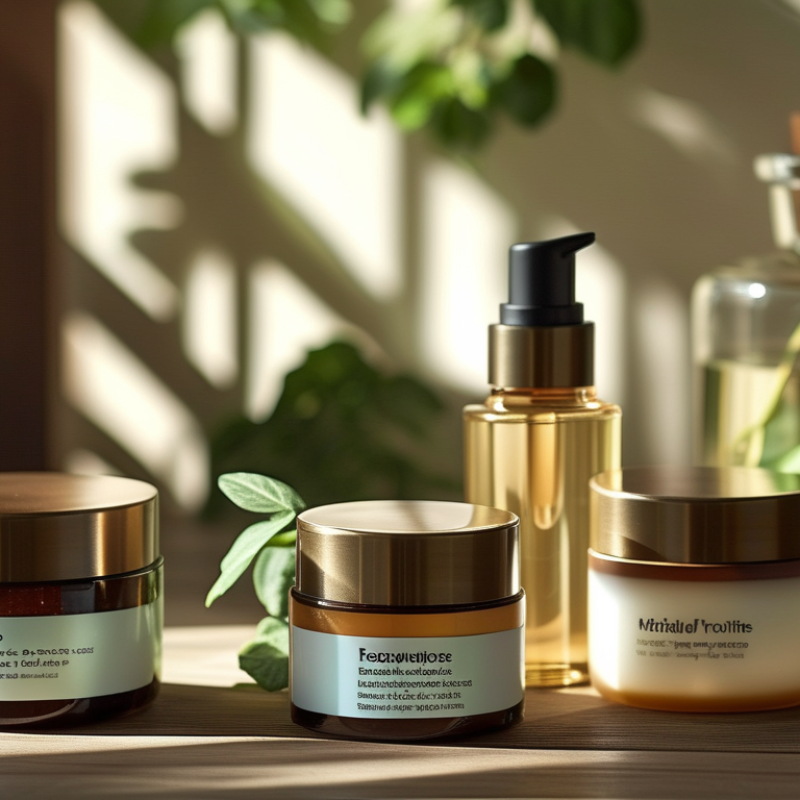
How to Choose the Best Packaging for Skincare Products?

Packaging Functions and Requirements for Skincare Products

How to Choose the Best Packaging for Skincare Products?

Choosing skincare packaging starts with product protection, not visual appeal. A formula may contain oils, acids, water, or active ingredients. Each composition reacts differently to light, oxygen, moisture, and repeated contact. Use opaque or UV-resistant materials when light can weaken the formula. Airless pumps can reduce oxygen exposure and limit fingertip contact. However, they may leave a small amount behind. That is an important usability trade-off.

Tips: Match the closure to the product’s texture. Pumps suit lotions and serums, while wide jars support thicker creams. Select seals that prevent leaks during shipping and storage. Test the filled package through heat, cold, vibration, and drop conditions. Check whether the pump delivers consistent doses after several weeks. Small failures become customer complaints.

Safety and usability must work together. Packaging should dispense controlled amounts and include clear opening guidance. Smooth edges, stable bases, and readable labels improve daily handling. Material compatibility testing is essential because a container can change color, smell, or texture. Experienced packaging teams should document these observations and repeat tests before production. Recyclability matters, but it should not compromise product stability or consumer safety. No package is perfect. The best choice balances protection, hygiene, cost, and real-world use.

Product Formula and Material Compatibility Assessment

Packaging selection begins with the formula, not the shelf appearance. Oils, acids, alcohol, surfactants, and fragrances can alter polymers, seals, and coatings. A compatibility assessment should test the complete pack: container, closure, liner, pump, decoration, and adhesive. ISO 18811:2018 states that cosmetic stability testing should reflect product characteristics and intended storage conditions. That makes one universal test plan unrealistic. It is tempting to approve a package after four weeks. That is too optimistic. Use accelerated and real-time studies, then inspect odor, color, viscosity, pH, leakage, weight loss, and dose performance. Test under temperature cycles, light exposure, and repeated opening.

Material choice also carries environmental responsibility. The OECD’s Global Plastics Outlook reports 353 million tonnes of plastic waste in 2019, with packaging accounting for about 40%. Compatibility failures create another form of waste: rejected units and unnecessary replacements. For an anhydrous oil, glass may offer strong chemical resistance, but breakage and shipping weight require review. For a water-based serum, a well-designed airless system can reduce oxygen contact, though its seals and spring materials still need testing. Recycled resin requires extra screening because odor, color, and additive variation may affect sensitive formulas. Do not rely only on supplier declarations. Compare filled samples with controls, record results, and define acceptance limits before scale-up. The process can feel slower. It is often cheaper than recalling unstable products. Still, even careful testing can miss long-term interactions, so packaging decisions should remain open to revision after market feedback.

Choosing the Right Packaging Format and Dispensing System

Choosing skincare packaging starts with the product’s texture, stability, and daily use. A lightweight lotion may work well in a pump bottle, while a thick balm needs a wider opening. Airless pumps can reduce repeated air exposure and limit messy contact. Not every format works. Some formulas leave residue near the piston, especially when viscosity changes in cold rooms. Packaging trials should include temperature cycling, drop tests, and repeated dispensing. A package that performs well on day one may struggle after six weeks.

The dispensing system should match the user’s routine. A measured pump suits morning moisturizer because it supports consistent dosing with one hand. A squeeze tube offers control for targeted products, but excessive pressure can deliver too much. Droppers provide visual control, yet they expose the applicator during every use. For sensitive formulas, minimizing open contact may be a safer design choice. Test the closure, actuator, and seal together. Small gaps can invite contamination or cause leakage during transport.

Material selection also affects trust. Clear packaging lets users see the remaining product, but light-sensitive formulas may need opacity. Recyclability claims require verification across the intended market, not assumptions. I have seen teams choose elegant formats that feel difficult to use, then revise the design after user testing. That correction is valuable. Ask users to operate the package with wet hands, limited grip, and nearly empty contents. Real testing matters. Keep records for compatibility, dosage accuracy, and shelf-life performance.

Evaluating Protection, Usability, Sustainability, and Cost

When evaluating skincare packaging, I begin with the formula, not the appearance. A water-rich cream may need a tighter seal than a dry balm. Check compatibility through heat, cold, vibration, and storage testing. Watch for odor changes, leaking, discoloration, or a pump that stops working. A small drop test also reveals weak closures and cracked corners. Record each condition and result carefully.

Real use matters. I test dispensing with wet hands because bathroom conditions are rarely tidy. A controlled pump can reduce touching and help users measure consistent amounts. However, narrow openings may frustrate people with limited hand strength. Clear labels and readable instructions improve daily use. Packaging should feel stable on a damp counter, not slide after one careless movement.

Sustainability needs evidence, not attractive claims. Compare material weight, recycled content, refill systems, and local recycling access. A lighter container can reduce shipping emissions, yet multilayer parts may be harder to process. Refills may save material, but only when customers actually reuse them. Cost includes molds, filling speed, transport damage, returns, and quality checks. I once favored a cheaper closure that leaked after repeated opening; the savings disappeared quickly. That mistake still influences my trials. No package is perfect. A practical choice protects the formula without creating avoidable waste or unreasonable production costs.

How to Choose the Best Packaging for Skincare Products?

Comparative evaluation of protection, usability, sustainability, and cost

Scores use a 1–5 planning scale based on common packaging characteristics. Higher scores indicate stronger performance. Airless pumps generally provide excellent product protection, while HDPE and PCR plastic bottles typically offer lower production costs. Glass has strong chemical stability and recyclability but is heavier, and multi-material airless systems can be more difficult to recycle.

Testing, Compliance, and Final Packaging Selection

Choosing skincare packaging requires more than attractive design. In laboratory trials, a pump can feel premium yet clog after exposure to thick creams. Compatibility testing should run with the actual formula, not water alone. Check leakage, drop resistance, torque, spray performance, and microbial protection. Store samples under heat and light. Then inspect odor, color, viscosity, and container swelling.

Compliance testing must match the selling market. ISO 22716 provides good manufacturing guidance for cosmetic production. European Regulation 1223/2009 requires a safety assessment and product information file. In the United States, the Modernization of Cosmetics Regulation Act adds facility registration and adverse-event responsibilities. Packaging claims also need evidence. “Recyclable” is not automatically accurate. The Ellen MacArthur Foundation’s 2023 Global Commitment report noted that participating companies represented about 20% of global plastic packaging volume, showing the scale of industry accountability.

Final selection should use a weighted scorecard. Include product protection, user handling, filling efficiency, cost, carbon impact, and end-of-life recovery. UNEP’s 2023 Turning off the Tap report found that plastic pollution could be reduced by 80% by 2040 through reuse, recycling, and redesign. That ambition should influence material choices, but it should not replace performance data. A lighter bottle may reduce material use, yet fail during shipping. We once rejected an elegant closure after repeated leakage tests. It looked right. It performed poorly. The best package is the one that survives testing, satisfies documentation requirements, and remains practical in a real bathroom.

How to Choose the Best Packaging for Skincare Products? - Testing, Compliance, and Final Packaging Selection
Packaging Option Typical Product Fit Product Protection Key Testing Requirements Compliance Considerations Primary Advantages Common Limitations Final Selection Guidance
Airless Pump Serums, moisturizers, eye creams, and active formulations Very good protection from air exposure and backflow; opaque versions help limit light exposure Container-closure integrity, dose consistency, priming, evacuation rate, leakage, compatibility, and microbial risk assessment Verify material declarations, restricted-substance requirements, labeling space, and compatibility with the intended cosmetic formula Helps reduce oxidation and supports hygienic dispensing with controlled doses Higher component cost; some formulas may not fully evacuate; recycling can be more difficult when multiple materials are used
Glass Jar Face creams, masks, balms, and premium-texture products Excellent chemical resistance and strong barrier performance; limited protection if the closure is poorly sealed Compatibility, leakage, torque, drop and impact resistance, thermal shock, accelerated stability, and microbial challenge assessment where applicable Check cosmetic-contact safety, decoration durability, warning statements, and packaging weight requirements for transport Strong barrier properties, good appearance, and broad formula compatibility Heavy and breakable; repeated finger contact may increase contamination risk during use
Plastic Jar Body creams, scrubs, masks, and rinse-off products Good impact resistance; barrier performance varies by resin, wall thickness, and closure design Compatibility, stress cracking, drop testing, torque, leakage, odor transfer, color migration, and stability testing Confirm resin identification, recycled-content claims if used, colorant suitability, and labeling durability Lightweight, economical, and less likely to break during shipping or use Wide-mouth access can expose the formula to air and repeated user contact; some plastics absorb or transmit ingredients
Laminated Tube Cleansers, sunscreens, lotions, creams, and spot treatments Good protection from contamination and moderate protection from air and light; barrier depends on laminate structure Seal integrity, burst pressure, leakage, cap fit, squeeze performance, compatibility, and accelerated stability Assess material structure, print and ink suitability, recycling communication, and mandatory product information placement Lightweight, hygienic, portable, and efficient for controlled product dispensing Layered construction may complicate recycling; excessive squeezing can affect dose consistency
Plastic Pump Bottle Lotions, cleansers, shampoos, and liquid body-care products Good protection when the pump and dip tube are properly matched; opaque or UV-protective packaging improves light protection Pump output, priming, actuations, leakage, closure torque, dip-tube compatibility, drop testing, and stability Confirm component material declarations, product claims, labeling area, and any required disposal or recycling information Convenient, relatively hygienic, and suitable for frequent-use products Pump components may be difficult to recycle; viscous products can leave residual material in the bottle
Dropper Bottle Facial oils, low-viscosity serums, and concentrated treatments Moderate protection; pipette and closure performance strongly influence air exposure and contamination risk Drop volume, dose repeatability, leakage, seal integrity, bulb compatibility, chemical resistance, and stability Verify elastomer and adhesive compatibility, cosmetic-contact safety, labeling legibility, and required usage instructions Supports precise dosing and gives users a controlled application experience May introduce air during repeated use; drop size varies with viscosity, angle, and user technique
Metal Tube Highly occlusive creams, ointments, spot treatments, and concentrated formulas Excellent light and oxygen barrier; strong protection when the crimp and closure remain intact Seal and crimp integrity, corrosion, dent resistance, compatibility, leakage, burst pressure, and accelerated stability Review internal lacquer suitability, metal-contact safety, decoration durability, and disposal instructions Excellent barrier performance and low product backflow during dispensing Can dent or crease; damaged coatings may increase corrosion or compatibility concerns
Single-Dose Sachet Samples, travel sizes, masks, and short-term treatment applications Very good protection when the multilayer film provides an appropriate moisture, oxygen, and light barrier Seal strength, burst testing, leak testing, film compatibility, print durability, and shelf-life stability Check multilayer-film requirements, ingredient and quantity declarations, batch coding, warnings, and disposal communication Strong portion control, low product exposure after opening, and efficient sampling format Generates single-use waste; opening can be inconvenient; filling equipment must match the product viscosity

FAQS

: How should skincare packaging protect the formula?

: Match the container to the formula’s sensitivity. Opaque packaging helps protect light-sensitive ingredients. Tight seals reduce moisture loss and leakage. Airless pumps can limit oxygen and fingertip contact. A small amount may remain inside.

Which closure works best for different textures?

Pumps suit lotions and lightweight serums. Wide jars work better for thick creams. Narrow openings can reduce exposure but frustrate some users. The texture should guide the closure choice.

What packaging tests are necessary?

Test filled packages under heat, cold, vibration, and light. Use actual formulas, not water alone. Check leakage, drops, cracks, swelling, odor, color, and viscosity. Repeat testing after several weeks. Small failures matter.

How can packaging improve everyday usability?

Choose stable bases and smooth edges. Labels should remain readable in a steamy bathroom. Test pumps with wet hands. Users need controlled amounts and clear opening instructions. One careless movement should not cause a spill.

How can packaging support hygiene?

Pumps can reduce direct fingertip contact. Seals should block leaks and unwanted exposure. Dispensing should remain consistent after repeated use. Jars may need cleaner handling habits. Convenience is not perfect hygiene.

How should sustainability affect packaging decisions?

Compare material weight, recycled content, refills, and local recycling access. Lighter packaging may reduce shipping emissions. However, multilayer parts can be difficult to process. Refills help only when customers reuse them. An attractive claim needs evidence.

How should packaging cost be evaluated?

Include molds, filling speed, transport damage, returns, and quality checks. A cheaper closure may leak after repeated opening. The apparent saving can disappear quickly. I once favored a low-cost closure. That decision needed more testing.

How can teams choose the final package?

Use a weighted scorecard for protection, handling, filling, cost, carbon impact, and recovery. Documentation should record every test condition and result. Packaging must satisfy market-specific safety requirements. A beautiful closure can still fail. Performance should decide.

Conclusion

Choosing the right packaging for skincare products requires balancing product protection, user convenience, sustainability, and cost. The best option should preserve the formula from light, air, moisture, contamination, and physical damage while supporting safe, accurate, and comfortable dispensing. To determine what packaging is best for skincare products, manufacturers should first assess the formula’s ingredients, viscosity, sensitivity, and potential reactions with packaging materials. This helps identify suitable containers, closures, pumps, tubes, jars, or airless systems.

The final selection should also consider recyclability, material efficiency, production costs, appearance, transport durability, and the overall consumer experience. Packaging must be evaluated through compatibility, stability, leakage, seal integrity, usability, and dispensing tests under realistic conditions. Clear labeling and appropriate quality documentation are equally important for responsible product development. By comparing performance, environmental impact, operational requirements, and budget, skincare manufacturers can select packaging that protects product quality while meeting practical and consumer expectations.

Ethan

Ethan

Ethan is a seasoned marketing professional with a deep expertise in our company's innovative product line. With a passion for sharing knowledge and insights, he takes the lead in regularly updating our corporate blog, where he explores industry trends, product features, and effective marketing......