Choosing the right cosmetic manufacturer can feel overwhelming. This decision significantly impacts your brand's success. Understanding how to choose a cosmetic manufacturer involves considering several vital factors. Experience is crucial; a manufacturer with a proven track record is often more reliable.
You want to partner with someone who is knowledgeable about current trends and formulations. They should provide insights into quality control and sourcing of ingredients. Look for manufacturers that comply with industry standards. Checking their certifications can enhance trust.
Equally important is communication. A responsive team ensures you won't encounter delays or misunderstandings. However, reflect on your needs and expectations; every manufacturer has strengths and weaknesses. Ultimately, investing time in research will lead to a reliable partnership in the competitive cosmetic industry.
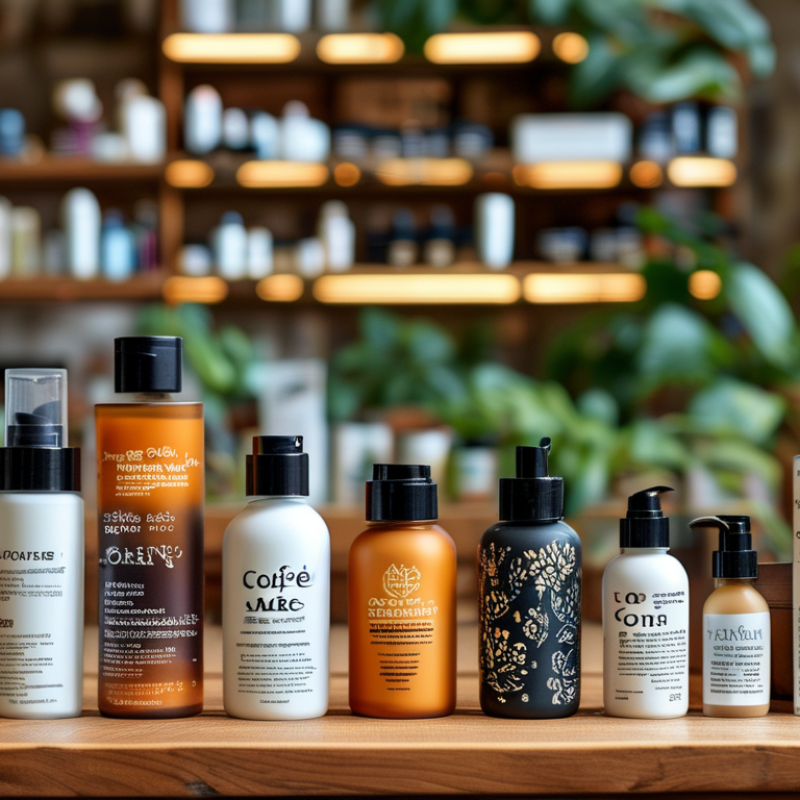
Choosing a cosmetic manufacturer is not just a business decision; it embodies your brand’s identity and values. Understanding what your brand represents is crucial. Define your mission clearly. What do you wish to convey to your audience? Is it luxury, sustainability, or inclusivity? This will guide your choice of manufacturer, ensuring they align with your vision.
Consider these tips when selecting a manufacturer. Evaluate their certification and compliance with industry standards. This reflects commitment to quality and safety. Assess their experience in your specific niche. A manufacturer familiar with your product type can offer valuable insights. Communication matters too. Find a partner who listens and understands your needs.
Building a cosmetics brand requires reflection on your core values. Transparency and ethics should be non-negotiable. Ask potential manufacturers about their sourcing practices. Engage in a conversation about sustainability initiatives if that aligns with your brand. This consideration can set you apart in a competitive market. Remember, the right manufacturer enhances not just product quality but also your brand's credibility.
Choosing the right cosmetic manufacturer is crucial for your brand’s success. Researching their expertise and reputation should be a top priority. Pay attention to their experience in the industry. A manufacturer with a solid track record likely has the knowledge to meet your specific needs. Look for reviews and testimonials from previous clients. This can help you gauge their reliability and customer satisfaction.
When evaluating potential manufacturers, consider their certifications. Certifications reflect compliance with industry standards. This is essential for products that consumers apply to their skin. Don’t skip this step. It shows the manufacturer values safety and quality. Ask for case studies or examples of previous work. This will give you insight into their capabilities.
It’s also important to visit their facility if possible. Observing their operations can reveal the quality of their processes. Trust your instincts; a clean and organized place often indicates professionalism. Keep in mind that not every manufacturer will be the right fit. Sometimes red flags may arise, which can require reflection on your part. Make decisions based on thorough research and interpersonal interactions.
This chart represents the expertise and reputation scores of various cosmetic manufacturers based on different parameters such as product quality, certification, and customer reviews.
When selecting a cosmetic manufacturer, evaluating quality control measures is crucial. A manufacturer’s approach to quality can significantly impact your product's safety and efficacy. According to the 2022 Global Cosmetic Industry Report, about 30% of cosmetic recalls are related to quality issues. Therefore, a robust quality control system is non-negotiable.
Look for manufacturers with certifications such as ISO 22716, which outlines good manufacturing practices for cosmetics. This certification ensures that manufacturers adhere to quality management processes. According to the International Organization for Standardization, companies that implement these standards improve product consistency and client satisfaction rates. Understanding the certifications a prospective manufacturer holds can provide insights into their operational robustness.
Be aware that not all manufacturers prioritize quality equally. Some may overlook critical testing procedures or fail to follow safety regulations. Inconsistent testing can lead to batch variations and customer complaints. Investigating the manufacturer's testing protocols is essential. Engaging in third-party audits or reviews can add a layer of assurance. Reliability in manufacturing leads to trust in your brand.
When selecting a cosmetic manufacturer, it’s crucial to assess their production capabilities and scalability. A study by the Cosmetic Industry Association indicates that 75% of brands prioritize scalability in their partnerships. This flexibility allows for adjustments in production volume as demand fluctuates. For smaller brands, the capacity for quick scaling can lead to significant growth opportunities.
Moreover, understanding the manufacturer’s technology and equipment is vital. Advanced technologies can ensure product consistency and enhance innovation. Reports suggest that companies using automated processes see a 30% increase in productivity. However, not all manufacturers may have up-to-date facilities, which can lead to inconsistencies. Evaluating their equipment is essential to avoid future challenges.
Communication and collaboration are also important. Engaging with manufacturers who prioritize transparency fosters trust. A lack of transparency can lead to production delays or quality issues. Brands should be wary of manufacturers that do not provide clear insights into their processes. Balancing quality and scalability requires thorough research and reflection on potential partnerships.
| Tip | Description | Importance Level | Scalability Capability |
|---|---|---|---|
| Understand Production Capacity | Assess the maximum output capacity to meet demands. | High | High |
| Check Certifications | Ensure they hold industry-standard certifications. | Medium | N/A |
| Evaluate Technology Used | Inspect machinery and technology for modern manufacturing. | High | Medium |
| Consider Minimum Order Quantities | Understand minimum order levels to manage stock. | Medium | Variable |
| Assess Lead Times | Determine production lead times to plan launches. | High | High |
| Research Their Reputation | Look for reviews and testimonials from other clients. | High | N/A |
| Understand Pricing Structures | Clarify costs associated with production and logistics. | High | N/A |
| Explore Customization Options | Determine if they offer tailored solutions for your brand. | Medium | High |
| Review Packaging Solutions | Analyze packaging options to enhance brand appeal. | Medium | Variable |
| Assess Customer Service | Evaluate responsiveness and support from the manufacturer. | High | N/A |
When selecting a cosmetic manufacturer, effective communication is crucial. According to a recent survey, 72% of businesses prioritize collaboration style when choosing a supplier. Establishing clear channels of communication can prevent misunderstandings and product delays. It's essential to understand how they communicate. Do they prefer emails or phone calls? Knowing this can streamline your relationship.
Consider setting up regular check-ins. These meetings can address concerns, share updates, and refine product details. A strong partnership feels like an extension of your team. Look for manufacturers open to feedback. This openness fosters innovation. According to industry reports, companies that engage in regular collaboration with their manufacturers see a 15% increase in product quality.
Tip: Assess the manufacturer's responsiveness. Fast replies can indicate a commitment to service. Additionally, ask about their collaboration tools. Are they using project management software? A solid tech platform can enhance transparency. Remember, building a relationship takes time. Consider working with a few potential partners before making a final decision.
: A manufacturer with solid expertise is more likely to meet your specific needs effectively.
Look for reviews and testimonials from previous clients to gauge reliability and satisfaction.
Certifications indicate compliance with industry standards, showing their commitment to safety and quality.
Observing operations can help you assess quality and professionalism in their processes.
It’s crucial to understand their preferred communication methods, such as emails or phone calls.
Regular meetings can address concerns and refine product details, enhancing collaboration.
Fast responses to inquiries can reflect their dedication to supporting your needs.
Yes, exploring a few partnerships can help you find the right fit for your brand.
Manufacturers open to feedback can foster innovation, leading to improved product quality.
Trusting your instincts can help you identify potential red flags that need reflection.
When considering how to choose a cosmetic manufacturer, it's vital to start by understanding your brand's identity and core values. This foundational knowledge will guide you in selecting a partner whose vision aligns with yours. Next, thorough research into potential manufacturers should focus on their expertise and reputation within the industry, ensuring they have a track record of quality products.
It is also essential to evaluate their quality control measures and relevant certifications, as these factors directly impact the safety and efficacy of your cosmetics. Assessing production capabilities and scalability is crucial for meeting your business demands as you grow. Finally, consider the communication and collaboration style of the manufacturer, as a strong partnership can facilitate smoother development processes and foster innovation in your product line.

Kushkie Beauty