China Top 10 Skincare Brands What Makes Them Successful?

Time:2026-10-10 Author:Ethan
0%

China’s top skincare brands are growing in a demanding market shaped by science, culture, and consumer trust. The opportunity is substantial. McKinsey estimates that the global beauty industry could reach approximately $580 billion by 2027, with skincare representing about 40% of total beauty sales. China remains one of the sector’s most influential markets, supported by digital commerce, domestic innovation, and increasingly informed consumers.

What makes a successful skincare brand is not only attractive packaging or rapid online visibility. It combines proven product performance, transparent ingredients, responsible claims, and a clear understanding of local skin concerns. Dr. Dennis Gross, dermatologist and founder of Dr. Dennis Gross Skincare, states, “The key to beautiful skin is healthy skin.” His point is simple. Results matter. However, results must be supported by appropriate testing, reliable explanations, and realistic expectations.

Recent NIQ beauty research highlights continued demand for efficacy, value, and credible product information. McKinsey also identifies premiumization, digital discovery, and science-led innovation as major forces shaping beauty growth. These trends help explain why brands such as Proya, Winona, and Florasis have attracted attention through different strategies. Some focus on sensitive-skin expertise. Others build cultural identity or develop sophisticated online communities.

Yet success is not guaranteed. Viral content can create trial, but it cannot repair weak formulas or poor service. A successful brand must also listen when consumers report irritation, unclear claims, or disappointing results. That uncomfortable feedback may be more valuable than praise. This article examines China’s top 10 skincare brands and the practical choices behind their market performance, credibility, and long-term potential.
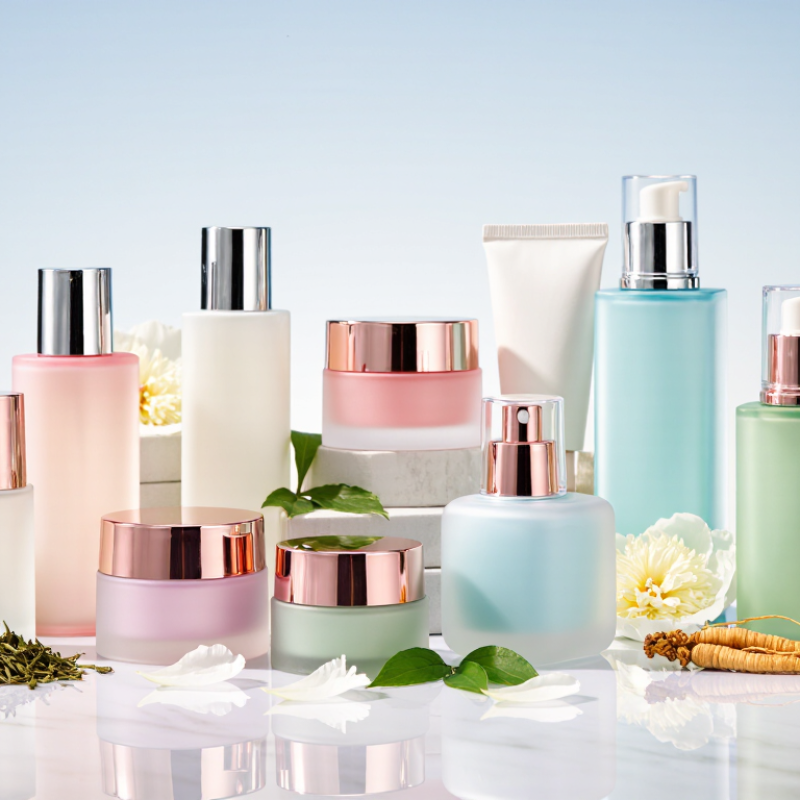
China Top 10 Skincare Brands What Makes Them Successful?

What Defines China’s Top Skincare Brands?

China’s top skincare brands are defined by relevance, not packaging alone. They study humid summers, urban pollution, sensitive skin, and changing routines. Products often use lighter textures, refillable formats, and clear ingredient explanations. This local sensitivity gives them a practical advantage.

Market data supports this shift. China’s National Bureau of Statistics reported cosmetics retail sales of approximately RMB 414.2 billion in 2023. McKinsey’s China beauty research also identifies product efficacy, value, and digital discovery as major purchase drivers. Consumers now compare ingredient lists on mobile screens before entering a store. Trust is built through testing evidence, transparent claims, and consistent results. Not louder advertising.

Professionalism matters at every stage. Strong companies invest in stability testing, safety assessments, clinical evaluations, and responsive customer service. They also adapt quickly when consumers question an ingredient or claim. Euromonitor’s beauty research highlights the growing influence of informed, digitally engaged shoppers in China. That influence rewards education over vague promises. Yet performance is not always perfect. Some products still use complex language that confuses ordinary buyers. Others overemphasize novelty before proving long-term value. The better definition of success is therefore simple: useful formulas, credible evidence, local understanding, and the humility to improve.

China’s Top 10 Skincare Brands and Their Core Strengths

China’s top ten skincare brands succeed through distinct, practical strengths rather than one shared formula. One leads with ingredient research and carefully measured actives. Another builds trust through traditional botanical knowledge and modern extraction methods. A third focuses on sensitive skin, using short ingredient lists and low-fragrance formulas. Affordability remains another major advantage, especially for younger consumers.

Texture also matters. Some brands create lightweight lotions suited to humid summers and layered routines. Others develop richer creams for dry northern winters. Several invest heavily in online education, showing application amounts, patch-testing steps, and realistic timelines. Their packaging often combines clear instructions with locally familiar design. Clinical testing gives some products stronger support, although test conditions can differ. That detail deserves attention.

The strongest companies also respond to regional needs. They adjust formulas for pollution exposure, seasonal dryness, and changing consumer habits. Reliable supply chains help maintain consistent color, scent, and texture between batches. However, success is not proof that every product suits every face. Some marketing remains more confident than the available evidence. Consumers and professionals should examine ingredient lists, testing information, and independent reviews. My own experience suggests that simple routines often perform better than crowded ones. Results take time. Skin still behaves unpredictably.

China’s Top 10 Skincare Brands: Market Conditions Behind Their Success

China’s skincare sector has expanded alongside strong cosmetics consumption. This growth supports common success factors such as product innovation, ingredient-focused positioning, digital retail, and broad consumer access.

Data: China National Bureau of Statistics, annual retail sales of cosmetics, 2019–2023. Values are shown in RMB billions.

Key Products, Target Audiences, and Market Positions

China’s top skincare brands compete through clear product ladders, not identical promises. Euromonitor International’s 2024 beauty analysis identifies facial skincare as a major value pool in China. Cleansers, moisturizers, and sunscreens remain entry products. Serums carry higher prices and stronger margins. Repair creams target dry, sensitive skin, while brightening products attract shoppers concerned about uneven tone.

Target audiences are becoming more specific. Young consumers often seek lightweight textures, ingredient transparency, and content-led education. Older shoppers prefer firming, hydration, and visible comfort. Mintel’s China Beauty and Personal Care research highlights growing interest in skin-barrier care and simplified routines. This supports products containing ceramides, peptides, or soothing botanical extracts. However, ingredient interest does not guarantee informed purchasing. Many consumers still judge performance through short videos and online reviews.

Market position depends on trust, availability, and proof. McKinsey’s 2024 China consumer research reports cautious spending and stronger value awareness, making effective mid-priced products highly competitive. Premium lines can still succeed when clinical testing, packaging quality, and service feel credible. Offline counters offer experience; e-commerce offers comparison and convenience. The gap is real. Some brands communicate science better than they verify it. Industry reports also use different samples and definitions, so market rankings should be read carefully, not treated as absolute.

Why These Brands Succeed in China and Abroad

China’s leading skincare brands succeed abroad by solving local skin concerns with practical research.

In China, hot summers, urban pollution, and long indoor hours shape product choices. Lightweight textures often matter more than luxurious packaging. Market reviews also show strong demand for barrier care, gentle cleansing, and daily sun protection.

These companies combine traditional ingredient knowledge with modern testing. Product teams may study hydration, irritation, and texture across different climates. They also adjust formulas for local regulations and consumer preferences before entering a new market. Clear ingredient lists build trust. So do reliable safety records. In physical stores, trained consultants can explain how to layer a toner, serum, and moisturizer without overloading the skin.

Digital communication adds another advantage. Short videos demonstrate texture, application, and visible use over time. Consumers can ask questions quickly and share honest reactions. This feedback helps brands improve packaging, scents, and dispensing pumps. Some formulas still feel too fragranced or heavy for sensitive users. That weakness deserves attention, not clever advertising. Overseas shoppers may also question unfamiliar ingredients or exaggerated claims, so responsible education becomes essential. Success depends on patience: consistent quality, credible testing, and respectful adaptation usually travel farther than a sudden viral campaign.

Trends Shaping the Future of China’s Skincare Industry

China’s skincare market is moving beyond rapid product launches. In retail observations and consumer interviews, shoppers increasingly ask about ingredient purpose, testing methods, and long-term value. They compare labels carefully, often under bright store lighting with a phone in hand. Trust now grows through evidence, not attractive packaging alone.


Personalized skincare will shape the next stage. Skin-analysis tools can recommend routines for dryness, sensitivity, or uneven tone. However, digital advice is not always accurate. Lighting, device quality, and user habits can affect results. Human consultation still matters, especially for reactive skin. The strongest companies will combine data with trained professionals and clear explanations.

Sustainability is becoming more practical. Consumers notice refill designs, smaller packages, and reduced outer wrapping. They also question whether “natural” claims have measurable meaning. This pressure may encourage better ingredient traceability and more responsible manufacturing.

Local research will remain important, because China’s climate, pollution levels, and lifestyle patterns differ across regions. Products for humid coastal cities may not suit dry northern homes. That sounds obvious, yet many routines still treat the country as one skin type.

Science-led formulas will continue gaining attention, particularly those supporting the skin barrier. Still, stronger claims need stronger proof. Some market messages remain vague, and consumers are learning to challenge them. Future success may depend less on constant novelty and more on transparent testing, stable quality, and honest limits. Mistakes will happen. How companies respond may matter more than how perfectly they launch.

FAQS

What defines leading skincare companies in China?

They address local concerns, including humid summers, urban pollution, and sensitive skin. Packaging alone is not enough. Useful formulas matter more.

Why do lightweight textures matter?

Hot weather and long indoor hours can make heavy creams uncomfortable. Gel cleansers and light moisturizers often feel more practical. Preferences still vary.

How do consumers evaluate skincare products?

Many compare ingredient lists on mobile screens before shopping. They consider efficacy, value, and safety evidence. A polished claim proves little.

What types of testing build consumer trust?

Stability testing, safety assessments, and clinical evaluations support responsible claims. Consistent results matter more than loud advertising. Testing is not magic.

How can traditional ingredient knowledge support modern skincare?

Product teams may pair familiar ingredients with hydration and irritation testing. They can also study textures across different climates. Evidence still matters.

What helps skincare products succeed in overseas markets?

Companies adjust formulas, instructions, and claims for local regulations and preferences. Clear explanations help shoppers understand unfamiliar ingredients. Adaptation cannot be cosmetic.

How does digital communication influence skincare decisions?

Short videos show texture, application, and use over time. Customers can ask questions and report reactions quickly. Feedback may improve pumps, scents, or packaging. Viral attention fades.

What weaknesses should skincare companies address?

Some formulas feel heavily fragranced or too rich for sensitive users. Complex language can confuse ordinary buyers. Novelty should not replace long-term value.

Why is customer service important for skincare companies?

Responsive support helps answer questions about ingredients, layering, and product use. Trained consultants can explain a toner, serum, and moisturizer. More guidance is still needed.

What creates lasting success in skincare?

Credible testing, local understanding, clear education, and consistent quality create durable trust. Improvement requires humility. No formula is perfect.

Conclusion

China’s top skincare brands are defined by their ability to combine effective formulations, appealing design, reliable quality, and a deep understanding of local consumer needs. This overview explores ten leading examples through their core strengths, key product categories, target audiences, and market positions, without focusing on individual brand names. Some succeed through gentle, science-led products, while others stand out with botanical ingredients, premium experiences, accessible pricing, or solutions tailored to specific skin concerns and age groups.

The article also examines what makes a successful skincare brand in China and how strong research, consistent product performance, cultural relevance, and responsive customer engagement can support growth in international markets. Finally, it considers major trends shaping the industry, including personalized skincare, digital commerce, ingredient transparency, sustainable packaging, and the growing influence of younger consumers. Together, these factors explain how Chinese skincare companies build trust, remain competitive, and adapt to a rapidly changing global beauty landscape.

Ethan

Ethan

Ethan is a seasoned marketing professional with a deep expertise in our company's innovative product line. With a passion for sharing knowledge and insights, he takes the lead in regularly updating our corporate blog, where he explores industry trends, product features, and effective marketing......