When we explore what factors affect skincare product quality, we find a complex interplay of ingredients, formulation, and packaging. According to Dr. Emily Chen, a renowned dermatologist, “The quality of skincare products is determined not just by the ingredients but how they interact with each other.” This insight highlights the importance of understanding both the science and artistry behind product development.
Each component plays a crucial role. For example, preservatives are essential for product longevity. However, the wrong type can cause irritation. Consumers often overlook how formulation impacts effectiveness. There are times when a high-cost item doesn't perform as expected. This raises questions about ingredient sourcing and ethical considerations.
Quality assurance is not merely a checklist but an ongoing evaluation. Regulatory standards vary worldwide, affecting what is deemed acceptable. Thus, brands must stay informed to maintain high standards. In a market flooded with options, discerning quality remains challenging. By recognizing these variables, consumers can make informed choices, fostering both personal care and industry accountability.
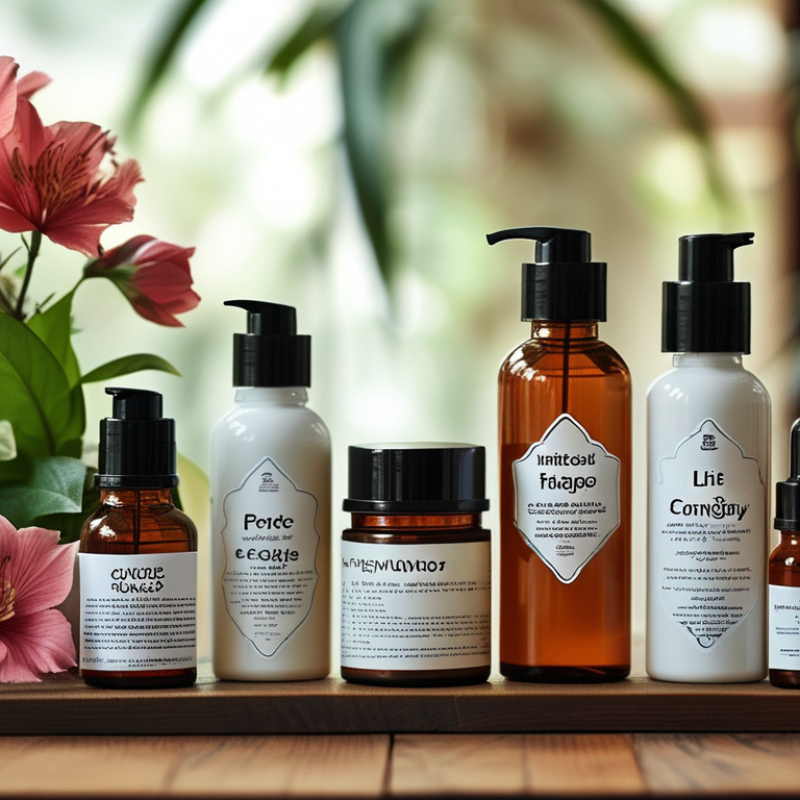
The composition of skincare ingredients plays a pivotal role in product efficacy. According to a report by the International Journal of Cosmetic Science, active ingredients such as retinoids and peptides can significantly enhance skin texture and clarity. However, not all formulations provide the same results. The inclusion of fillers or harsh preservatives can diminish overall quality.
The concentration of active ingredients is critical. Studies show that concentrations below 1% for key actives often fail to deliver noticeable benefits. Additionally, the synergistic effects of combining certain ingredients can amplify results. For instance, vitamin C and E work better together, enhancing antioxidant protection. Understanding this interplay requires a nuanced appreciation of cosmetic chemistry.
Moreover, consumers often overlook the importance of ingredient sourcing and formulation stability. Natural ingredients may seem appealing, yet they can degrade faster than synthetic ones. This instability affects the product's effectiveness over time. A skincare product may promise great results, but if it lacks proper formulation science, it may not perform as expected. Recognizing these nuances leads to a more informed choice in skincare.
: Regulatory standards ensure the quality of skincare products. They set safety and labeling requirements.
Companies comply with regulatory guidelines. This compliance acts as a benchmark for product integrity.
Continuous monitoring improves product quality. It also tests for allergens and contaminants.
Some brands may cut corners, raising concerns about product quality. Consumers should stay informed.
Consumer feedback provides insights into effective ingredients and formulations, enhancing products’ effectiveness.
Negative comments can highlight issues. They force brands to closely evaluate and refine their formulations.
Transparency builds credibility. Brands that share testing results show accountability and foster consumer trust.
Consumers should assess a brand's commitment to regulatory compliance. Vigilance and discernment are key.
Brands must listen and adapt. Implementing user suggestions leads to innovation and better skincare solutions.
Trust is essential for long-term success. It encourages brands to prioritize quality and accountability.
In the realm of skincare, understanding what factors affect skincare product quality is crucial for consumers seeking effective solutions. The composition of ingredients plays a significant role, as the right combinations can enhance product efficacy while harmful substances can diminish benefits. Adherence to stringent regulatory standards is another key factor that ensures safety and consistency in quality across the industry.
Additionally, packaging and storage conditions can impact the stability and longevity of skincare products, making proper handling essential. Consumer feedback serves as a vital aspect, guiding brands in product development to meet market demands and preferences. Ultimately, the reputation and trustworthiness of a brand profoundly influence consumer choices, reinforcing the importance of these factors in maintaining high-quality skincare offerings.

 Kushkie Beauty