Top 10 Ingredients to Avoid in Skincare Products?

Time:2026-06-09 Author:Charlotte
0%

When selecting skincare products, many often overlook the significance of their ingredients. Understanding what ingredients should be avoided in skincare is crucial for maintaining healthy skin. Certain chemicals can irritate, cause allergies, or even worsen existing conditions. Research suggests that many consumers are unaware of potentially harmful components lurking in their favorite products.

Not all marketed ingredients are safe. Some can disrupt hormonal balance or lead to long-term skin damage. For example, artificial fragrances and preservatives may seem harmless. However, they can trigger sensitivity in many users. It's essential to approach skincare with a discerning eye.

This guide will highlight the top ten ingredients to avoid. You'll discover alternatives and learn how to read labels effectively. Being informed empowers choices that align with your skin's needs, enhancing your overall skincare journey.
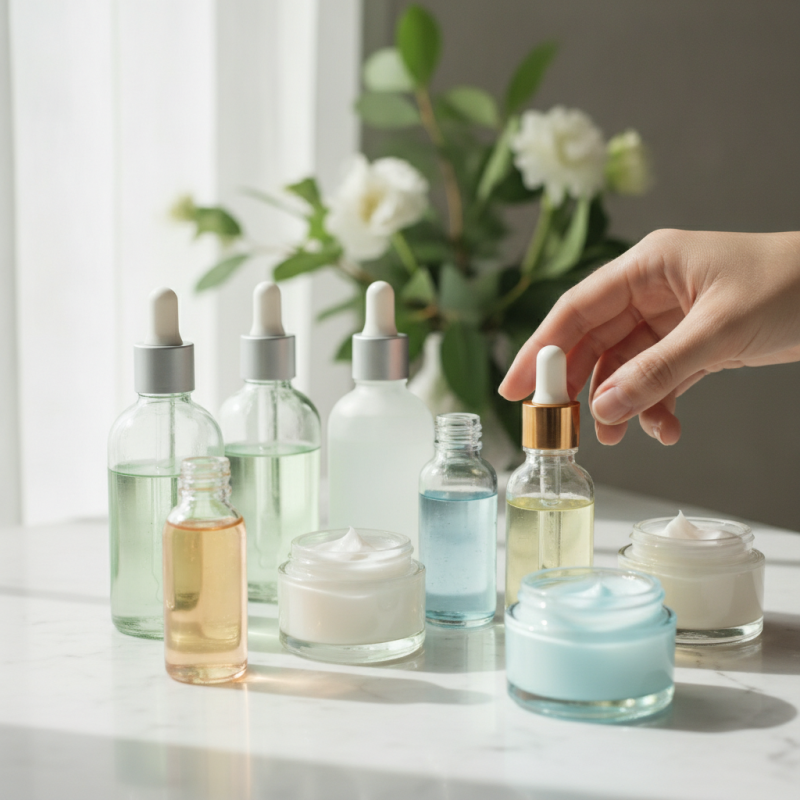
Top 10 Ingredients to Avoid in Skincare Products?

Common Harmful Chemicals in Skincare Products

When choosing skincare products, awareness of harmful chemicals is crucial. Some chemicals can irritate the skin or cause long-term damage. A key ingredient to avoid is parabens. These preservatives can disrupt hormonal balance. Despite being common, they may not be safe for everyone.

Another ingredient to be cautious about is sulfates. They can strip the skin of its natural oils, leading to dryness. Many people experience redness and burning sensations after using products with sulfates. Fragrance is another red flag. It's often a mix of numerous chemicals that can trigger allergic reactions or sensitive skin issues.

Avoiding these ingredients is important. Many products boast “safe” labels but still include harmful chemicals. Reading labels carefully is essential for your skin’s health. Being informed empowers you to make better choices. Your skincare routine should enhance your skin, not harm it. Reflect on what you apply daily.

Top 10 Harmful Ingredients to Avoid in Skincare Products

Synthetic Fragrances and Their Impact on Skin Health

Synthetic fragrances are common in many skincare products. Yet, their impact on skin health is often overlooked. A report from the American Academy of Dermatology highlights that nearly 30% of individuals experience skin irritation due to these fragrances. This figure raises concerns about how synthetic ingredients affect sensitive skin.

Many formulations contain multiple fragrance compounds. These can be a mix of 100 to 300 unique chemicals. The Environmental Working Group states that synthetic fragrances may disrupt the endocrine system. Such disruption can lead to various skin issues, including rashes and allergic reactions. For instance, a study published in the Journal of Investigative Dermatology found that 10% of participants experienced allergic contact dermatitis from fragrance exposure.

While fragrances can provide appealing scents, they may not justify the potential harm. Consumers should be cautious about what they apply to their skin. Though fragrance-free products may lack sensory appeal, they often represent a safer choice for skin health. The presence of synthetic fragrances is an aspect requiring more public awareness and scrutiny.

Top 10 Ingredients to Avoid in Skincare Products

Ingredient Common Uses Potential Impact on Skin Health
Synthetic Fragrances Used for scent Can cause irritation and allergic reactions
Parabens Preservatives Potential hormonal disruptions
Sulfates Cleansing agents Can strip skin’s natural oils
Phthalates Used to enhance absorption Linked to reproductive issues
Formaldehyde Preservative Irritant and potential carcinogen
Toluene Solvent Skin and respiratory irritant
Mineral Oil Moisturizer Can clog pores
Synthetic Dyes Color additives May cause skin irritation
Isopropyl Alcohol Antiseptic and solvent Can dry and irritate skin
BHA and BHT Preservatives Potential endocrine disruptors

Parabens: Preservatives to Avoid for Skin Safety

Parabens are widely used preservatives in skincare products. They extend shelf life but can pose risks to skin safety. These chemicals mimic estrogen, which may disrupt hormonal balance. Many consumers worry about their long-term effects, though some studies are inconclusive.

Choosing paraben-free products can be challenging. Many labels are misleading, using terms like “paraben-free” to attract buyers. Understanding ingredients is essential for informed choices. Not all preservatives are harmful, but it's crucial to stay informed.

Some may not experience issues right away, yet prolonged exposure can lead to skin irritation. Regular patch testing can help identify sensitivities. Reflect on your skincare routine and evaluate the products you use. A critical approach may lead to healthier skin and peace of mind.

Sulfates and Their Effects on Skin Irritation

Sulfates are common in many skincare products because they effectively create lather. However, they can lead to skin irritation for many users. Research indicates that nearly 40% of people with sensitive skin experience irritation from sulfates. This includes conditions like redness and dryness.

The most notable sulfate, sodium lauryl sulfate (SLS), is a strong cleansing agent. While it removes dirt and oil, it can strip away natural moisture. According to a dermatological study, about 80% of participants reported increased skin sensitivity after using products with SLS over four weeks. Even brief exposure can disturb the skin barrier.

It's crucial to recognize that skin varies from person to person. One study found that individuals with conditions like eczema show heightened sensitivity to sulfates. These harsh chemicals can exacerbate existing skin issues. Although sulfates appear effective, their risks often outweigh benefits. Understanding your skin is essential in choosing the right products.

Potential Risks of Color Additives in Skincare Items

Color additives in skincare products can pose potential risks. Many consumers overlook these ingredients, but they may carry health implications. According to a report by the Cosmetic Ingredient Review, certain colorants can cause skin irritation and allergic reactions, especially in sensitive individuals. The FDA monitors color additives, yet not all are strictly regulated. Some chemicals can accumulate in the body over time, leading to long-term effects that are still being studied.

When examining the safety of color additives, it’s important to be vigilant. Some synthetic dyes like FD&C Red No. 40 have been linked to hyperactivity in children and other behavioral issues. A study in the Journal of Hazardous Materials highlighted concerns regarding the potential carcinogenic nature of certain colorants. Regularly using products containing these additives may increase health risks.

Tips: Always read ingredient labels carefully. Choose products with natural colorants or minimal additives. Consulting dermatologists can provide tailored advice for your skin type. Opt for brands that prioritize transparency and safety in their formulations. Remember, understanding what goes on your skin is crucial for overall health.

FAQS

: What are synthetic fragrances?

: Synthetic fragrances are artificial scents used in skincare products. They may include 100 to 300 unique chemicals.

How common is skin irritation from synthetic fragrances?

Nearly 30% of people experience skin irritation from these fragrances, highlighting their potential impact.

Can synthetic fragrances cause allergies?

Yes, many individuals may develop allergic contact dermatitis from fragrance exposure, as supported by dermatological studies.

What are the risks of color additives in skincare?

Color additives may cause skin irritation and allergic reactions, especially for those with sensitive skin.

Are all color additives strictly regulated?

No, the FDA monitors some color additives, but not all have strict regulations.

What should consumers do to ensure safety?

Always read ingredient labels and choose products with natural colorants or minimal additives.

Do synthetic dyes have any behavioral effects?

Some synthetic dyes, like FD&C Red No. 40, have been linked to hyperactivity and other behavioral issues in children.

How can I learn more about skin health?

Consulting dermatologists can provide tailored advice based on your skin type and condition.

Is it okay to use products with synthetic fragrances?

While they may smell good, they pose risks. Consider fragrance-free options for skin health.

Why is awareness about these ingredients important?

Understanding what's in skincare products is crucial for overall health and avoiding potential harm.

Conclusion

When considering what ingredients should be avoided in skincare, it's essential to be aware of several harmful components commonly found in many products. Common harmful chemicals include synthetic fragrances, which can trigger allergic reactions and sensitivities, leading to compromised skin health. Parabens, often used as preservatives, have raised concerns due to their potential hormonal disruptions and impact on skin safety.

Additionally, sulfates are known for causing skin irritation, particularly for those with sensitive skin types. Lastly, the use of color additives in skincare can pose potential risks, such as irritation or allergic reactions, which can affect the skin's overall condition. By focusing on avoiding these ingredients, consumers can make informed choices to promote healthier skin.

Charlotte

Charlotte

Charlotte is a seasoned marketing professional with a deep understanding of the company's portfolio and a passion for elevating its presence in the market. With a keen eye for detail and a commitment to excellence, she ensures that our professional blog is regularly updated with insightful articles......